- About Us
- Meet The Experts
- Patient Information
- Referring Doctors
- Seminars & Lectures
- Reviews
- Contact Us
Need Immediate Assistance?
Speak directly with our team.
Speak directly with our team.
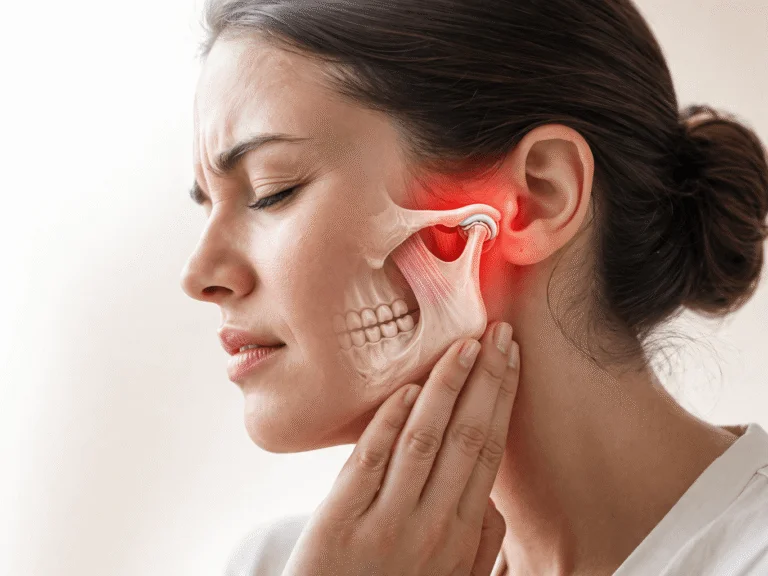
Persistent jaw discomfort can affect the way you eat, speak, sleep, and function throughout the day. TMJ disorders and orofacial pain may involve the jaw joints, chewing muscles, teeth, face, head, or neck.
Our office provides a comprehensive evaluation to identify the possible source of your discomfort and develop a personalized treatment plan. Depending on your diagnosis, treatment may include conservative care, a custom night guard, or Botox® therapy when appropriate.
TMJ and orofacial pain frequently involve more than one contributing factor. Identifying the underlying cause is an important step toward developing an effective treatment plan.
Teeth grinding during sleep or while awake can place excessive stress on the jaw joints and surrounding muscles.
Frequent clenching can contribute to muscle fatigue, jaw discomfort, headaches, and excessive tooth wear.
Emotional stress may increase muscle activity, leading to facial tension, jaw soreness, and headaches.
Previous injuries affecting the jaw, face, or head can impact normal joint function and movement.
Inflammation within the jaw joint may cause pain, stiffness, and limited jaw mobility.
Excessive strain on the muscles used for chewing can lead to soreness, fatigue, and discomfort.
Some sleep-related conditions may contribute to grinding, clenching, and chronic muscle tension.
Postural imbalances can affect the neck, shoulders, and jaw muscles, contributing to discomfort.
Repetitive jaw movement may place additional stress on the jaw joints and surrounding muscles.
Frequently chewing ice, hard foods, or other objects may contribute to jaw strain and dental damage.
Different conditions can produce similar symptoms, making a professional examination important before treatment begins.
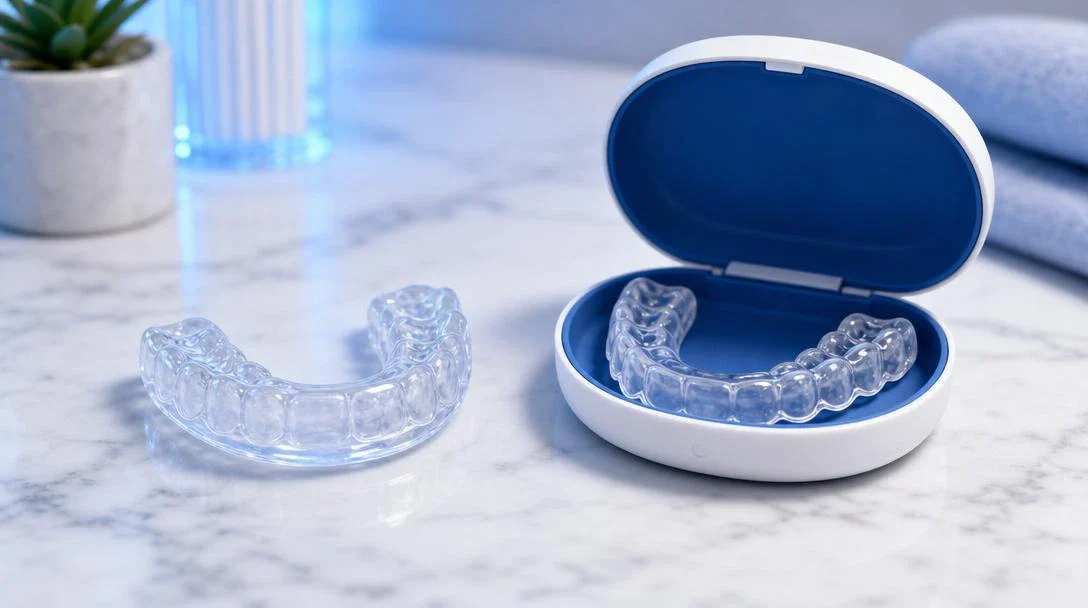
A custom night guard is a removable oral appliance made specifically to fit your teeth and bite. It may be recommended when clenching or grinding contributes to tooth damage, muscle fatigue, morning jaw discomfort, or headaches.
Custom Night Guard May Help:
A night guard does not permanently stop every patient from grinding, and it may not resolve every type of TMJ pain. Its primary role is often to protect the teeth and reduce the harmful effects of excessive jaw forces. Your appliance should not be designed to permanently change your bite. Contact the office if wearing it increases your pain or changes the way your teeth come together.
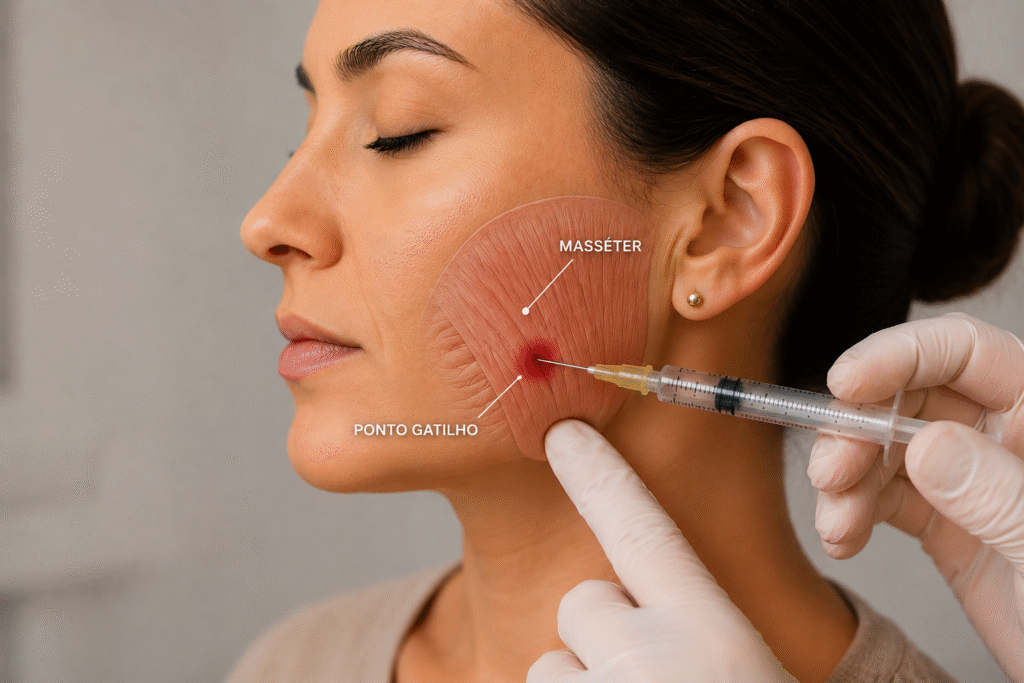
For carefully selected patients, Botox® may be used to reduce excessive activity in muscles such as the masseter and temporalis. By temporarily relaxing overactive chewing muscles, treatment may reduce muscle-related jaw pain, facial tension, and the intensity of clenching or grinding.
Botox® May Be Considered For:
Treatment is performed through a series of small injections into selected muscles. The appointment is generally brief, and normal daily activities can usually be resumed afterward.
Improvement is not immediate. Patients may begin noticing a change over the following days, with the full effect developing gradually. Results are temporary, and repeat treatment may be considered depending on your response and clinical needs.
Botox® is not appropriate for every patient and does not correct structural damage inside the jaw joint. Its use for TMJ-related pain or bruxism may be considered off-label and should be discussed during your consultation.
Depending on your symptoms and diagnosis, your individualized care plan may include a combination of conservative therapies designed to improve comfort, reduce muscle strain, and support healthy jaw function.
Temporary dietary changes may help reduce strain on the jaw joints and chewing muscles during recovery.
Limiting gum, ice, and difficult-to-chew foods may help reduce irritation and overuse of the jaw muscles.
Applying heat may help relax tight muscles and provide temporary relief from discomfort.
Gentle stretching and therapeutic exercises may improve mobility and reduce muscle tension.
Targeted therapy may help improve jaw function, muscle balance, and overall comfort.
Correcting posture may reduce strain on the neck, shoulders, and jaw muscles.
Stress-reduction techniques may help decrease clenching, grinding, and muscle tension.
Certain medications may be recommended to help manage inflammation, discomfort, or muscle tension.
Identifying underlying sleep-related conditions may play an important role in long-term symptom management.
You do not have to live with persistent jaw pain, facial tension, headaches, or the damaging effects of teeth grinding. A careful diagnosis is the first step toward selecting the right treatment.
Call Our Office NowYour individualized care plan may include one or more conservative treatment approaches designed to reduce discomfort and improve jaw function.
Jaw pain and facial discomfort can have many causes. Consider scheduling an appointment if your symptoms persist, worsen, or begin affecting your daily activities.
Jaw or facial discomfort that continues for several weeks may indicate an underlying condition that should be evaluated.
Pain that interferes with eating, sleeping, speaking, or other daily activities should not be ignored.
Recurrent jaw locking or difficulty moving the jaw normally may require professional evaluation.
Increasing difficulty opening your mouth comfortably can be a sign of TMJ dysfunction.
Persistent headaches associated with jaw tension or muscle strain may be related to TMJ disorders.
Significant tooth wear, cracks, or repeated dental fractures may result from grinding or clenching.
Jaw pain, discomfort, or limited movement following an injury should be professionally assessed.
Swelling, numbness, weakness, fever, or unexplained weight loss may require prompt evaluation.
See what patients have to say about their experience with Glen Burnie Oral Surgery.
Based on hundreds of positive patient experiences and trusted referrals throughout the region.
Find answers to some of the most common questions about oral surgery procedures, consultations, recovery, and patient care.
At Glen Burnie Oral Surgery Associates we proudly provide advanced oral surgical procedures, wisdom teeth removal, dental implants , all - on-4 implants, IV sedation and emergency oral surgery.